
Essential Window Quality Standards for Central Valley Home Renovations
Homeowners in California's Central Valley face a unique set of architectural challenges that standard national building codes often overlook. The region experiences extreme temperature swings, with summer highs frequently exceeding 100 degrees Fahrenheit and winter nights dropping significantly. According to the U.S. Department of Energy, heating and cooling account for nearly 56 percent of the energy use in an average home. This statistic highlights why window quality is not merely an aesthetic choice but a critical infrastructure component for energy efficiency and structural integrity in this specific geographic zone. (Contact Us)
Understanding Central Valley Climate Challenges
The Central Valley is characterized by a Mediterranean climate with hot, dry summers and mild, wet winters. This environment places immense stress on building envelopes. Windows must withstand thermal expansion and contraction cycles that can warp frames and degrade seals over time. Poorly rated windows lead to significant heat gain during the day and rapid heat loss at night, forcing HVAC systems to work overtime.
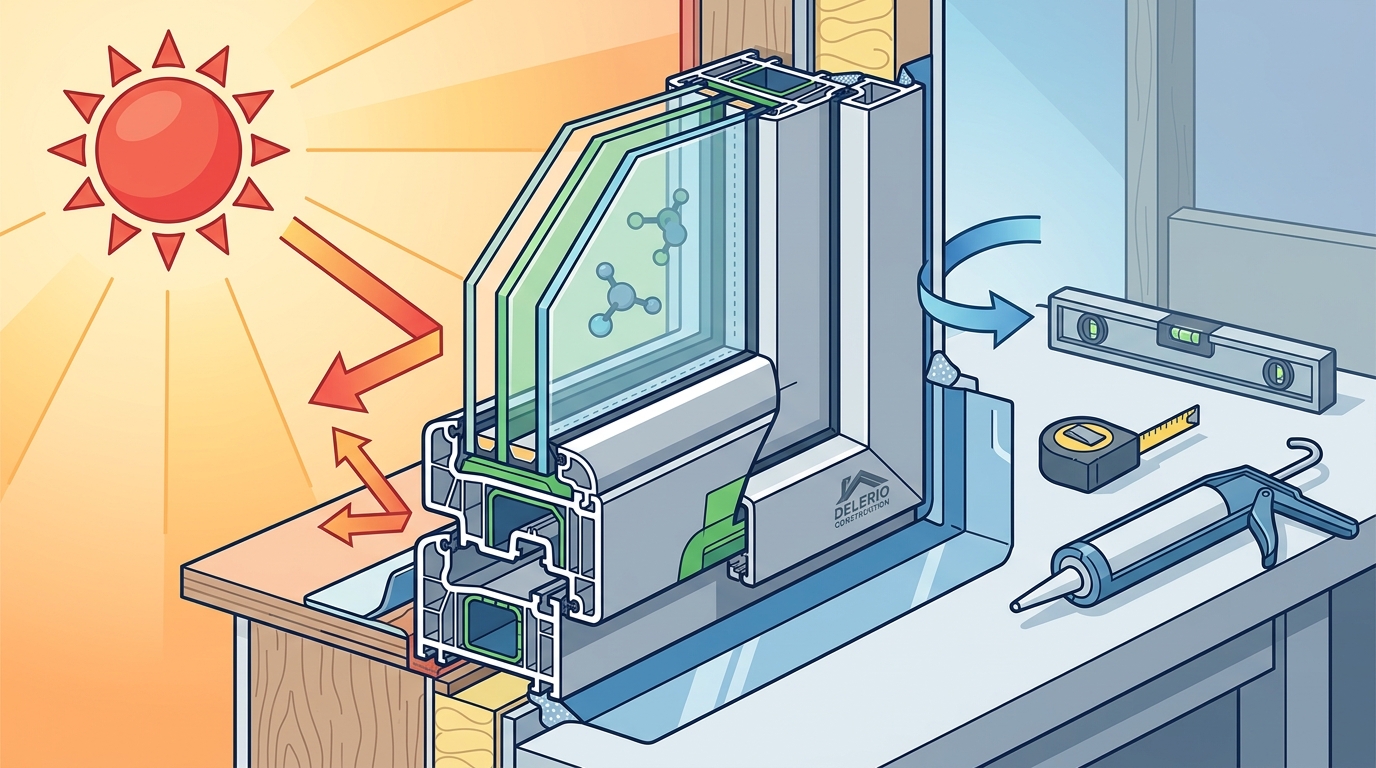
High-quality windows for this region must prioritize solar heat gain coefficient (SHGC) management. A lower SHGC is generally preferred in cooling-dominated climates to block unwanted solar radiation. However, in the Central Valley, the balance is nuanced. You need windows that block infrared heat while allowing visible light to pass through. This balance reduces glare and cooling loads without making interiors feel dark or cave-like. Research from the Lawrence Berkeley National Laboratory indicates that proper window selection can reduce cooling energy use by up to 30 percent in hot climates.
Additionally, dust and pollen are prevalent in the valley. High-quality windows must feature robust weatherstripping and tight seals to prevent particulate infiltration. This not only improves indoor air quality but also protects the mechanical components of the window hardware from abrasive dust accumulation.
Glass Technology and U-Factor Standards
When evaluating window quality, the glass unit is the most critical component. The U-factor measures how well a window prevents heat from escaping. In the Central Valley, while heating is less of a concern than cooling, a low U-factor is still essential for maintaining consistent indoor temperatures during cool nights. A U-factor of 0.30 or lower is considered excellent for this region.
Double-pane glass is the minimum standard for modern renovations. However, triple-pane glass offers superior insulation and sound dampening, which is beneficial for homes near highways or agricultural areas. The space between the panes should be filled with inert gas, such as argon or krypton. Argon is the industry standard due to its cost-effectiveness and density, which slows heat transfer more effectively than air.
Low-emissivity (Low-E) coatings are non-negotiable for Central Valley homes. Low-E glass has a microscopically thin, transparent coating that reflects infrared light. This means it reflects the sun's heat away during the summer and keeps interior heat inside during the winter. According to the National Fenestration Rating Council, Low-E coatings can reduce ultraviolet light damage to furnishings by up to 45 percent. This protection preserves flooring, carpets, and artwork from fading caused by intense valley sunlight.
Frame Material Durability and Maintenance
The frame material determines the longevity and maintenance requirements of the window. In the Central Valley, where humidity is low but temperature fluctuations are high, material stability is paramount. Wood frames offer aesthetic appeal but require regular painting and sealing to prevent warping and rot. Vinyl frames are popular for their low maintenance and inherent insulation properties. They do not corrode or rot and are resistant to the dry air conditions.
Fiberglass frames are emerging as a premium choice for this region. Fiberglass is stronger than vinyl and expands and contracts at a rate similar to glass. This compatibility reduces stress on seals and prevents air leaks over time. It also allows for thinner frames, maximizing glass area and natural light. Steel frames are durable but conduct heat and cold readily, making them less efficient unless thermally broken.
For homeowners prioritizing longevity, composite frames that blend wood fibers with plastic offer the best of both worlds. They provide the rigidity of wood with the moisture resistance of vinyl. When selecting materials, consider the warranty terms. Reputable manufacturers offer lifetime warranties on glass integrity and multi-year warranties on frames and hardware.
The Critical Role of Professional Installation
Even the highest-quality window will fail if installed incorrectly. Proper installation ensures the window is plumb, level, and square, which is essential for operation and sealing. The most common failure point is the interface between the window frame and the house structure. This area must be flashed and sealed with high-quality waterproofing membranes to prevent water intrusion during rare but intense valley storms.
Insulation around the frame is also crucial. Gaps between the rough opening and the window frame should be filled with low-expansion foam to prevent air leakage. Improper insulation can lead to condensation issues, which can cause mold growth and wood rot in the surrounding wall structure. Professional installers use laser levels and shims to ensure perfect alignment, which prevents binding and ensures smooth operation.
At Delerio Construction, we adhere to strict installation protocols that exceed standard building codes. Our team ensures that every window is integrated into the home's weather barrier system correctly. This attention to detail prevents future leaks and drafts, protecting your investment. For more insights on our renovation process, visit our home renovation services page.
Window Type Comparison for Regional Needs
Selecting the right window style involves balancing aesthetics, ventilation, and energy performance. Below is a comparison of common window types suitable for Central Valley homes.
| Window Type | Energy Efficiency | Ventilation | Maintenance Level | Best Use Case |
|---|---|---|---|---|
| Double-Hung | High | Moderate | Low | General living areas and bedrooms |
| Awning | Very High | High | Low | Bathrooms and basements for rain protection |
| Sliding | Moderate | Very High | Moderate | Patio doors and large openings |
| Casement | Very High | High | Low | Wind-resistant areas and high airflow needs |
| Fixed Picture | Extremely High | None | Very Low | Scenic views and natural light maximization |
Awning and casement windows are particularly effective in the Central Valley because they can remain open during light rain without letting water in. Their design allows them to catch prevailing winds and pull cool air into the home. For detailed specifications on our recommended window suppliers, check out our window suppliers guide.
Key Takeaways
- Central Valley windows must address extreme heat gain and temperature fluctuations.
- Low-E coatings reduce UV damage to interiors by up to 45 percent.
- Argon gas fill in double-pane glass significantly improves thermal performance.
- Fiberglass frames offer superior dimensional stability compared to vinyl or wood.
- Professional flashing and insulation are critical to prevent water intrusion.
- U-factor below 0.30 is recommended for optimal energy efficiency in this region.
- Regular maintenance of weatherstripping ensures long-term air tightness.
Frequently Asked Questions
What is the best window glass for hot climates?
Double-pane glass with a Low-E coating and argon gas fill is the best option. The Low-E coating reflects infrared heat, while the argon gas provides superior insulation compared to air.
How often should window seals be replaced?
Window seals typically last between 10 and 20 years. Signs of failure include condensation between panes or drafts. If seals fail, the insulating gas escapes, reducing efficiency.
Are vinyl windows good for the Central Valley?
Yes, vinyl windows are excellent for this region due to their resistance to warping and low maintenance requirements. They do not conduct heat or cold, making them energy-efficient.
What is the difference between U-factor and SHGC?
U-factor measures heat loss, while SHGC measures solar heat gain. In the Central Valley, a low SHGC is prioritized to block summer heat, while a low U-factor helps retain heat in winter.
Can I install windows myself?
While DIY installation is possible, professional installation ensures proper flashing and sealing. Incorrect installation can lead to water damage and voided warranties. Learn more about our window installation services.
Do windows need to meet specific California codes?
Yes, California has strict energy codes, including Title 24. Windows must meet specific performance criteria to be compliant. Our team ensures all installations meet these state regulations.
What is the lifespan of a quality window?
High-quality windows with proper maintenance can last 20 to 30 years or more. The glass unit may need replacement sooner if seals fail, but the frame can often be retained.
How do I choose between wood and fiberglass frames?
Choose wood for traditional aesthetics and be prepared for maintenance. Choose fiberglass for durability, stability, and low maintenance. Fiberglass is ideal for the valley's temperature swings.
Schedule Your Consultation
Upgrading your windows is one of the most impactful renovations you can make for your Central Valley home. It improves comfort, reduces energy bills, and enhances the overall value of your property. At Delerio Construction, we specialize in high-performance window installations tailored to the unique demands of this region. Our team provides expert guidance on selecting the right materials and styles for your home.
Do not settle for standard solutions. Contact us today to discuss your renovation needs. Visit our contact page to schedule a consultation with our experts. We are ready to help you build a more efficient and comfortable home.