
Understanding Core Kitchen Window Categories
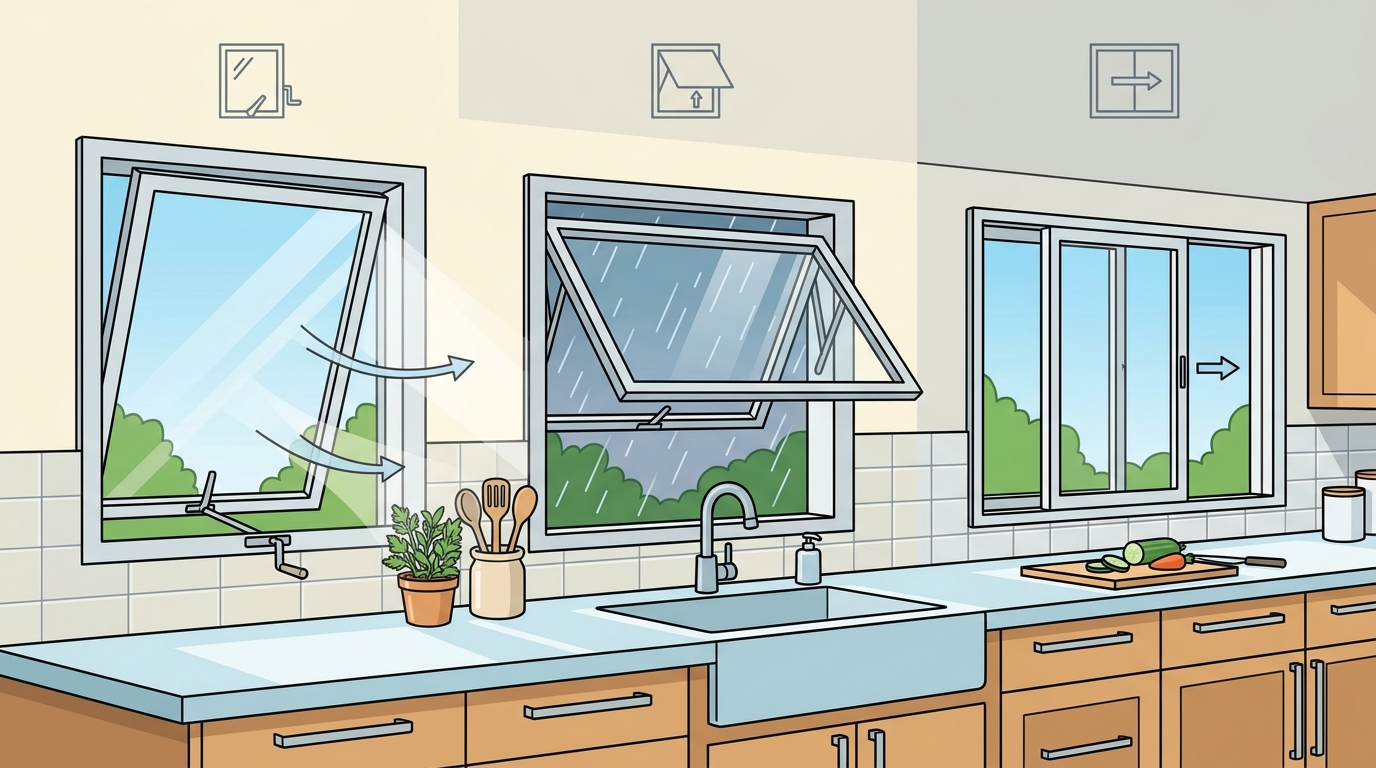
Window classification is based on how the sash moves and the frame configuration. Understanding these mechanics helps you match functionality to your kitchen's workflow. The three primary types for kitchens are casement, awning, and sliding windows. For additional details, review the Fresno Bathrooms Kitchens Windows.
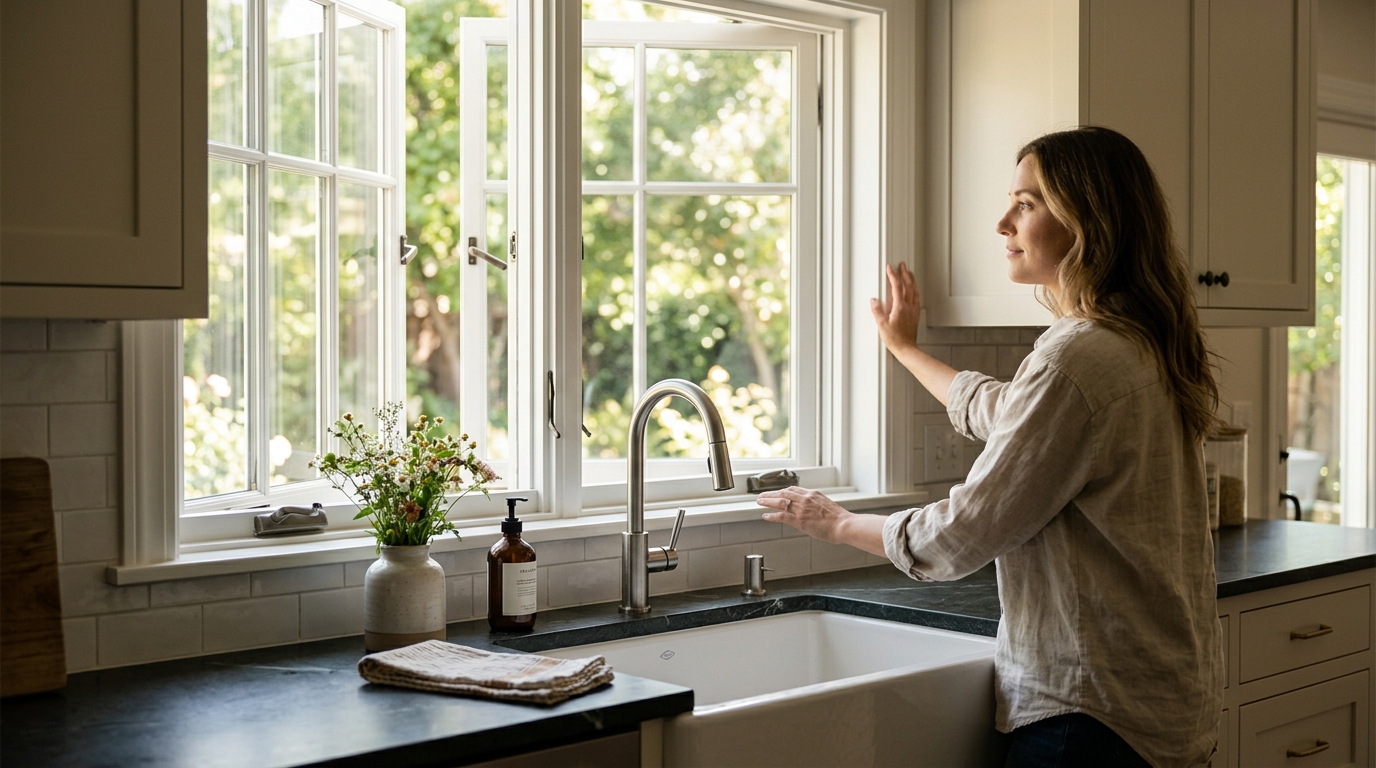
Casement windows are hinged on one side and open outward with a crank handle. This design provides maximum ventilation and unobstructed views. They are ideal for above sinks or in corners where space is limited. The outward swing requires careful planning for exterior clearance. For additional details, review the Kitchen Remodeling.
Awning windows are hinged at the top and open outward from the bottom. They allow fresh air to enter even during light rain. This makes them excellent for kitchens in areas with frequent precipitation. They are often used in pairs or groups for balanced airflow. For additional details, review the Replacement Windows.
Sliding windows are the most common type in modern kitchens. They feature two sashes that move horizontally past each other. This design is space-efficient and easy to operate. They work well in tight spaces where swinging windows would interfere with cabinets or appliances. For additional details, review the Custom.
Matching Window Types to Kitchen Layouts
Your kitchen layout dictates which window type will function best. Consider the placement of cabinets, appliances, and work zones. A window that looks good but blocks a cabinet door is a poor choice.
For kitchens with a sink, a casement window is often the best choice. It opens wide for easy cleaning and ventilation. The crank handle is easy to operate with wet hands. If space is tight, a small awning window above the sink is a viable alternative.
Corner kitchens benefit from casement windows. Two casement windows can open outward to create a wide, unobstructed view. This design eliminates the center mullion found in double-hung windows. It enhances the sense of space and light in the corner area.
Ventilation and Energy Efficiency Considerations
Ventilation is a critical function of kitchen windows. Cooking generates heat, steam, and odors that need to be expelled. The right window type helps manage indoor air quality and temperature.
Casement and awning windows provide superior ventilation compared to sliding windows. They can open fully, allowing for cross-ventilation when paired with windows on opposite walls. This is particularly useful in hot Central Valley summers. Proper ventilation reduces the load on your HVAC system.
Energy efficiency is another key factor. Look for windows with a low U-factor and high solar heat gain coefficient. These ratings indicate how well the window insulates and manages heat. Double-pane or triple-pane glass is standard for energy-efficient windows. Low-E coatings reflect heat to keep your kitchen comfortable year-round.
Sliding windows are generally less energy-efficient than casement windows. The horizontal track can allow for air infiltration if not properly sealed. However, modern sliding windows with weatherstripping and multi-pane glass perform well. Choose a reputable manufacturer to ensure tight seals and durable hardware.
Aesthetic and Material Options
Fiberglass windows combine the durability of vinyl with the aesthetic flexibility of wood. They are strong, resistant to temperature changes, and can be painted. Fiberglass is a premium option for high-end kitchen renovations. It provides long-term performance and visual appeal.
Key Takeaways
- Awning windows allow airflow during rain and are good for upper wall placements.
- Sliding windows are space-efficient and work well in open-concept kitchens.
- Energy efficiency depends on glass type, frame material, and proper installation.
- Choose frame materials based on your maintenance preferences and budget.
- Consult with a professional to ensure the window type fits your layout and workflow.
Frequently Asked Questions
What is the best window type for above a kitchen sink?
Casement windows are generally the best choice for above a sink. They open wide for easy cleaning and ventilation. The crank handle is easy to operate and does not require space to swing inward.
Are sliding windows energy efficient?
Yes, modern sliding windows with double-pane glass and weatherstripping are energy efficient. They perform well in most climates. Look for windows with a low U-factor to ensure good insulation.
Can I install awning windows in a kitchen?
Yes, awning windows are a good option for kitchens. They open outward from the bottom, allowing air in even during rain. They are often used in pairs for balanced ventilation.
What is the difference between casement and awning windows?
Casement windows are hinged on the side and open outward. Awning windows are hinged at the top and open outward from the bottom. Both provide good ventilation, but awning windows are better for rainy weather.
How do I choose the right window material?
Do kitchen windows need to be energy efficient?
Yes, energy-efficient windows help reduce heating and cooling costs. They also improve comfort by reducing drafts and condensation. Look for windows with Energy Star certification for proven performance.