
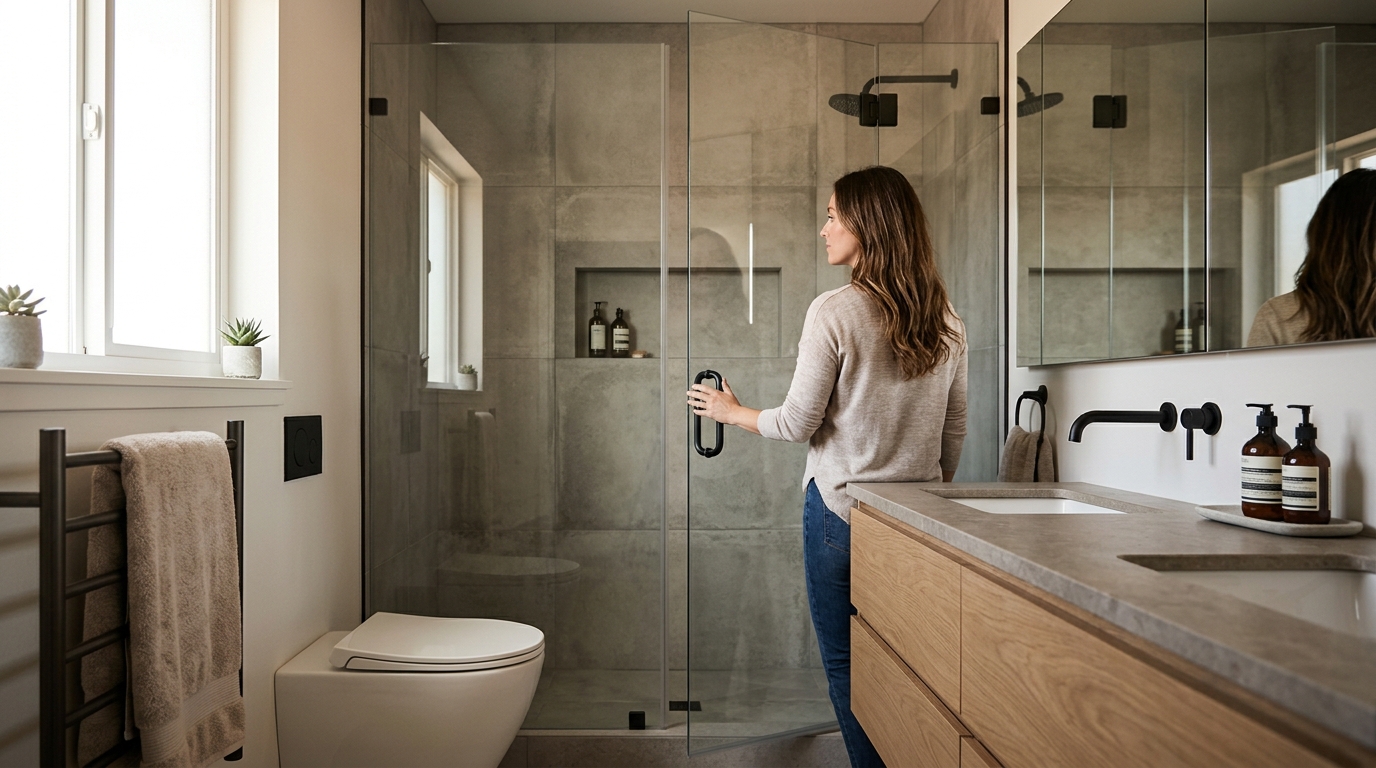
Homeowners in Fresno and the Central Valley are increasingly prioritizing compact space optimization over square footage expansion. According to recent industry data, small bathroom renovations yield an average return on investment of 50 to 70 percent, making them one of the most financially sound upgrades for residential properties. This statistic highlights why strategic remodeling is critical for maximizing property value without the expense of a full home addition. The goal is to transform tight quarters into functional, luxurious retreats that enhance daily comfort and aesthetic appeal.
Comparing Renovation Layouts
Choosing the right layout is the foundational step in any small bathroom renovation. The physical constraints of a compact space dictate which fixtures can coexist without creating a claustrophobic environment. At DC Home Improvements, we evaluate three primary layout configurations for Fresno homeowners.
1. The Wet Room Approach
A wet room eliminates the traditional shower curb and stall, creating a seamless, waterproof floor. This layout is ideal for accessibility and modern aesthetics. It maximizes floor space by removing visual barriers. The entire room is designed to handle water, making it a durable and low-maintenance option.
2. The Alcove Shower Conversion
This traditional layout utilizes existing plumbing walls to house a standard shower or tub combo. It is often the most cost-effective option because it minimizes plumbing relocation. However, it can feel cramped in very small footprints. Replacing an old tub with a walk-in shower is a common upgrade in this configuration.
3. The Corner Vanity and Compact Toilet
Optimizing the dry zone involves using corner vanities and compact toilets to free up floor space. This layout allows for better traffic flow in narrow bathrooms. It is particularly effective in hall bathrooms where space is at a premium. The focus here is on vertical storage and multi-functional fixtures.
Cost Breakdown by Project Type
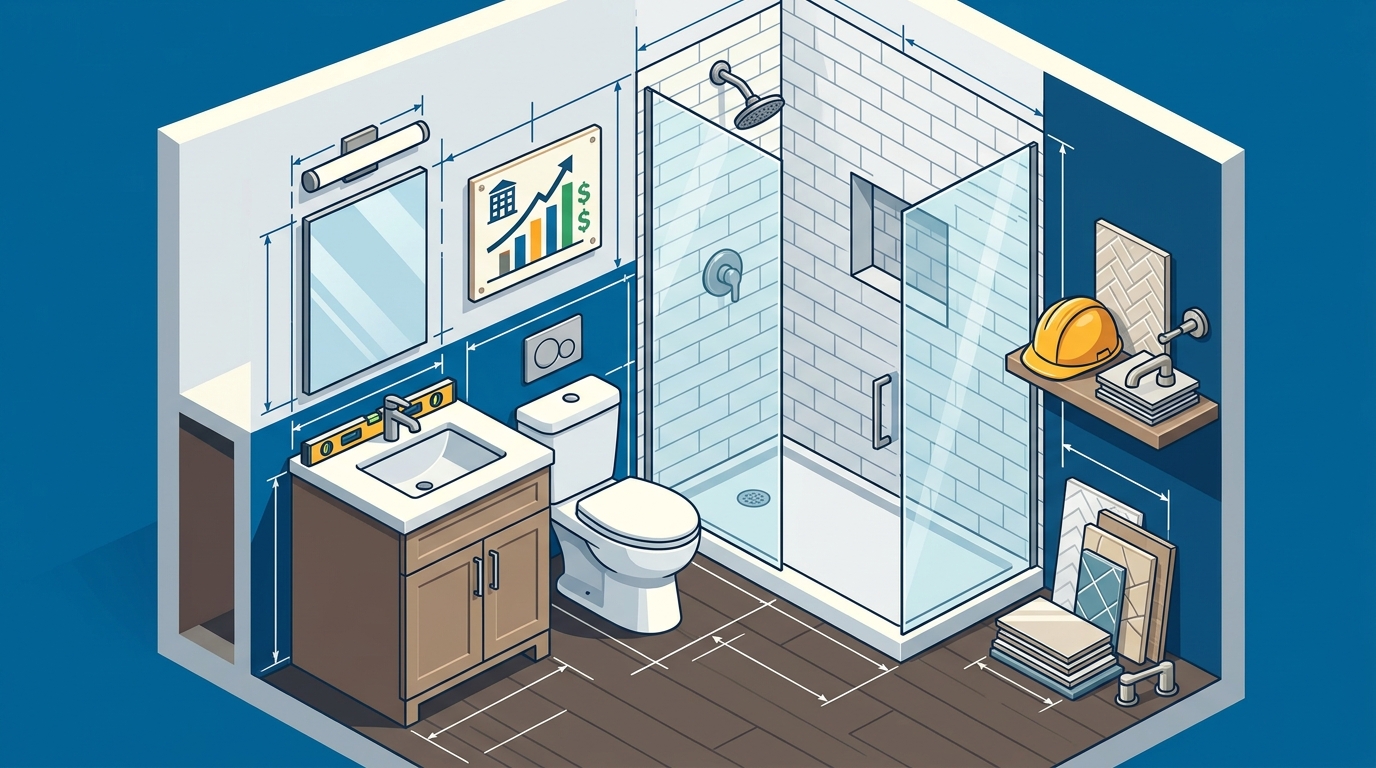
Understanding the financial implications of different renovation scopes is essential for budgeting. Costs vary significantly based on the extent of the work, material quality, and local labor rates in the Central Valley. Below is a comparative analysis of common small bathroom projects.
| Project Type | Scope of Work | Estimated Cost Range | Best For |
|---|---|---|---|
| Cosmetic Refresh | Paint, new fixtures, lighting, and mirror | $2,000 - $5,000 | Updating aesthetics without structural changes |
| Partial Remodel | New vanity, flooring, and toilet | $5,000 - $10,000 | Modernizing functionality and durability |
| Full Gut Renovation | Complete demolition, plumbing, and tiling | $10,000 - $25,000+ | Complete layout overhaul and luxury upgrades |
| Walk-In Shower Conversion | Tub removal, shower pan, and glass enclosure | $3,000 - $8,000 | Accessibility and modern style |
These estimates reflect industry standards for quality craftsmanship. DC Home Improvements offers competitive pricing and financing options to make these upgrades accessible. Our financing programs allow homeowners to manage costs effectively.
Space-Saving Design Strategies
Effective design in small bathrooms relies on visual tricks and smart storage solutions. The goal is to create an illusion of spaciousness while maintaining full functionality. Here are three critical strategies used by top remodelers.
1. Light Color Palettes
Using light colors on walls, floors, and ceilings reflects more light, making the room feel larger. White, cream, and light gray are popular choices. Dark colors can make a small space feel enclosed and heavy. This principle is supported by interior design research showing that light reflection increases perceived volume.
2. Large Format Tiles
Installing large format tiles reduces the number of grout lines. Fewer grout lines create a cleaner, more expansive look. This technique minimizes visual clutter and simplifies cleaning. It is a preferred method for modern, high-end renovations.
3. Vertical Storage Solutions
Utilizing vertical space for storage frees up floor area. Tall cabinets, over-the-toilet shelves, and recessed niches are effective. This approach keeps the floor clear, which enhances the sense of openness. It is particularly useful in bathrooms with limited wall space for vanity units.
Material Selection for Durability
Choosing the right materials is crucial for longevity and maintenance in a high-moisture environment. The wrong materials can lead to mold, warping, and costly repairs. DC Home Improvements uses only premium, water-resistant products.
Porcelain and Ceramic Tiles
Porcelain tile is denser and more water-resistant than ceramic. It is ideal for floors and shower walls. Ceramic tile is a cost-effective alternative for walls. Both materials offer durability and ease of cleaning. They are resistant to stains and scratches.
Vinyl Plank Flooring
Waterproof vinyl plank flooring is a popular choice for small bathrooms. It mimics the look of hardwood but is completely impervious to water. It is also softer underfoot than tile. This material is easy to install and maintain. It provides warmth and comfort in cold climates.
Quartz and Solid Surface Vanities
Quartz countertops are non-porous and resistant to stains. They do not require sealing like natural stone. Solid surface materials are also durable and seamless. These materials enhance the luxury feel of a small bathroom. They are available in a wide range of colors and patterns.
Accessibility and Safety Upgrades
As homeowners age, accessibility becomes a key consideration in bathroom renovations. Universal design principles ensure that bathrooms are safe and usable for everyone. These upgrades also increase the home's resale value.
Walk-In Tubs and Showers
Walk-in tubs provide a safe bathing experience for those with mobility issues. They feature low thresholds and built-in seats. Shower conversions to walk-in styles eliminate the need to step over a high curb. This reduces the risk of falls and injuries. DC Home Improvements specializes in accessible bathroom solutions.
Grab Bars and Non-Slip Surfaces
Installing grab bars in strategic locations provides stability. Non-slip flooring materials prevent accidents in wet conditions. These features are essential for aging in place. They offer peace of mind for homeowners and their families.
Key Takeaways
- Small bathroom renovations offer a high return on investment, often ranging from 50 to 70 percent.
- Layout choices include wet rooms, alcove showers, and compact vanity configurations.
- Costs vary from $2,000 for cosmetic updates to $25,000+ for full gut renovations.
- Light colors and large format tiles create an illusion of more space.
- Vertical storage solutions are critical for maximizing functionality in tight quarters.
- Porcelain tile and waterproof vinyl are top material choices for durability.
- Accessibility upgrades like walk-in tubs enhance safety and home value.
Frequently Asked Questions
How long does a small bathroom renovation take?
A typical small bathroom renovation takes between 2 to 4 weeks. This timeline includes demolition, plumbing, tiling, and finishing. Delays can occur due to material availability or unforeseen structural issues.
Can I renovate my bathroom without moving the plumbing?
Yes, cosmetic updates like painting and fixture replacement do not require plumbing changes. However, moving a toilet or shower involves significant plumbing work. Keeping plumbing in place reduces costs and complexity.
What is the best flooring for a small bathroom?
Porcelain tile and waterproof vinyl plank are the best options. They are durable, water-resistant, and easy to clean. Both materials also offer aesthetic flexibility for small spaces.
How much does a walk-in shower conversion cost?
A walk-in shower conversion typically costs between $3,000 and $8,000. This includes the shower pan, enclosure, and tiling. Costs vary based on material selection and labor rates.
Do I need a permit for a small bathroom remodel?
Permits are usually required for plumbing and electrical work. Cosmetic updates may not require permits. DC Home Improvements handles all necessary permitting processes in Fresno and the Central Valley.
What is the most cost-effective way to update a bathroom?
Replacing fixtures, painting, and updating lighting are the most cost-effective updates. These changes can modernize the space without major construction. They offer a high impact for a low investment.
How can I make a small bathroom feel larger?
Use light colors, large mirrors, and good lighting. Recessed storage and glass shower enclosures also help. These elements reduce visual clutter and reflect light.
Start Your Renovation
Transforming your small bathroom into a functional and beautiful space is within reach. DC Home Improvements offers expert guidance and quality craftsmanship for all renovation scopes. We serve Fresno, Clovis, Visalia, Sanger, and Madera. Contact us today to schedule your free estimate and discover how we can enhance your home.