
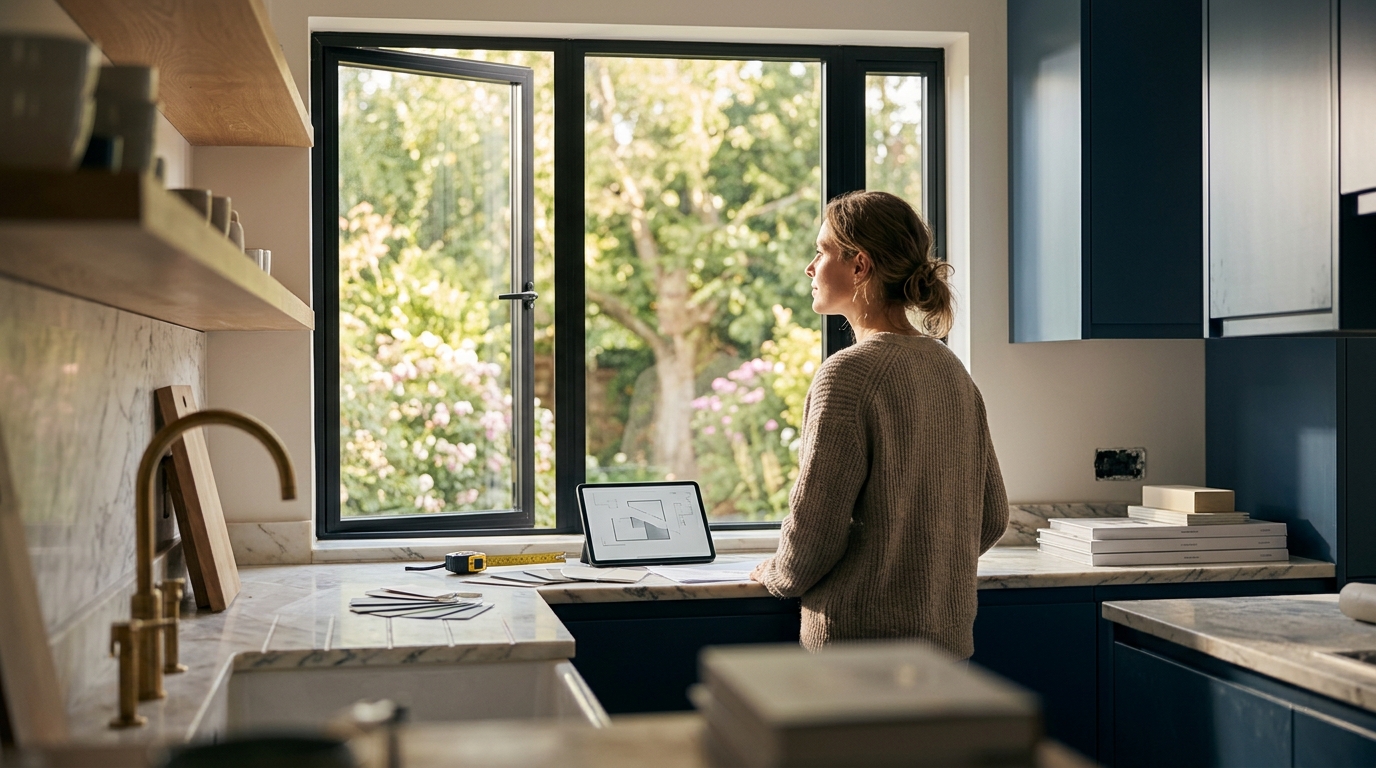
Kitchen renovations are among the most impactful upgrades a homeowner can undertake, yet the window selection process is often overlooked until the final stages. According to the National Association of Realtors, kitchen remodels typically yield a return on investment between 59% and 72%, depending on the scope of the project. However, the longevity and functionality of that investment rely heavily on the quality of the fenestration installed. Poorly chosen windows can lead to energy inefficiency, moisture damage, and a diminished aesthetic appeal that undermines the entire renovation effort. This guide provides a structured approach to selecting windows that complement your kitchen design while ensuring durability and performance. (About Us Fresno Remodeling)
Understanding Kitchen Window Types
The first step in the selection process is determining the operational style that best fits your kitchen layout. Different window types offer varying levels of ventilation, ease of cleaning, and architectural appeal. In a kitchen environment, where humidity and cooking odors are prevalent, ventilation is a critical functional requirement. (Blog Fresno Home Improvements)
Double-Hung Windows
Double-hung windows are a classic choice for traditional kitchen designs. They feature two sashes that slide vertically, allowing for top and bottom ventilation. This design is particularly useful for controlling airflow without compromising security. The ability to tilt the sashes inward makes cleaning significantly easier, a major advantage in a kitchen where grease and dust accumulate quickly.
Sliding Windows
Sliding windows, also known as gliding windows, operate horizontally. They are ideal for kitchens with limited vertical space or where a wide view of the backyard is desired. Sliding windows are generally more affordable than double-hung options and provide a modern, streamlined look. However, they typically offer less ventilation area compared to double-hung or casement windows.
Casement Windows
Casement windows are hinged at the side and crank open outward. They provide excellent ventilation because the entire opening is unobstructed. The crank mechanism allows for precise control over airflow, which is beneficial in a kitchen. Additionally, casement windows seal tightly when closed, offering superior energy efficiency by preventing air infiltration.
Picture Windows
Picture windows are fixed and do not open. They are designed to provide an unobstructed view and maximize natural light. While they do not contribute to ventilation, they are often paired with operable windows to create a balanced aesthetic. In a kitchen, a picture window above the sink can create a focal point and enhance the sense of space.
Evaluating Energy Efficiency and Glass Options
Energy efficiency is a paramount consideration for any window installation, especially in a kitchen where temperature fluctuations can occur due to cooking appliances. The U.S. Department of Energy states that proper window installation can reduce energy bills by up to 12%. Therefore, understanding the technical specifications of window glass is essential.
Low-E Coatings are microscopic metallic layers applied to the glass surface to reflect heat. In the summer, they reflect solar heat away from the home, while in the winter, they keep interior heat inside. This is particularly important in kitchens with south or west-facing windows, which are prone to overheating.
Argon Gas Fill is another critical component. Argon is an inert gas that is heavier than air, making it an effective insulator between the panes of glass. Windows filled with argon gas offer better thermal performance than those filled with air. When combined with a warm edge spacer, argon-filled windows significantly reduce condensation and heat transfer.
Triple-Pane Glass offers the highest level of insulation. While double-pane windows are standard, triple-pane windows add an extra layer of glass and gas, providing superior sound dampening and thermal resistance. This is beneficial for kitchens in noisy neighborhoods or extreme climates.
Material Selection: Vinyl, Wood, and Composite
The frame material of the window affects its durability, maintenance requirements, and aesthetic appeal. Each material has distinct advantages and disadvantages that must be weighed against your specific kitchen environment.
Vinyl Windows
Vinyl windows are the most popular choice for kitchen renovations due to their affordability and low maintenance. They are resistant to moisture, which is crucial in a kitchen where steam and splashes are common. Vinyl does not require painting or sealing, and it offers good insulation properties. However, vinyl windows are limited in color options and may expand or contract with temperature changes.
Wood Windows
Wood windows offer a timeless, natural aesthetic that complements traditional and rustic kitchen designs. They provide excellent insulation and can be customized to fit any size or shape. However, wood is susceptible to moisture damage and requires regular maintenance, including painting and sealing. In a high-humidity kitchen environment, wood windows may warp or rot if not properly maintained.
Composite Windows
Composite windows are made from a combination of materials, such as wood fibers and resin. They offer the aesthetic appeal of wood with the durability and low maintenance of vinyl. Composite windows are resistant to moisture, warping, and rotting, making them an excellent choice for kitchens. They are more expensive than vinyl but offer a longer lifespan and better performance.
Installation and Sealing Protocols
The performance of a window is heavily dependent on the quality of its installation. Even the most expensive window will fail if installed incorrectly. Proper installation ensures that the window operates smoothly and maintains its energy efficiency over time.
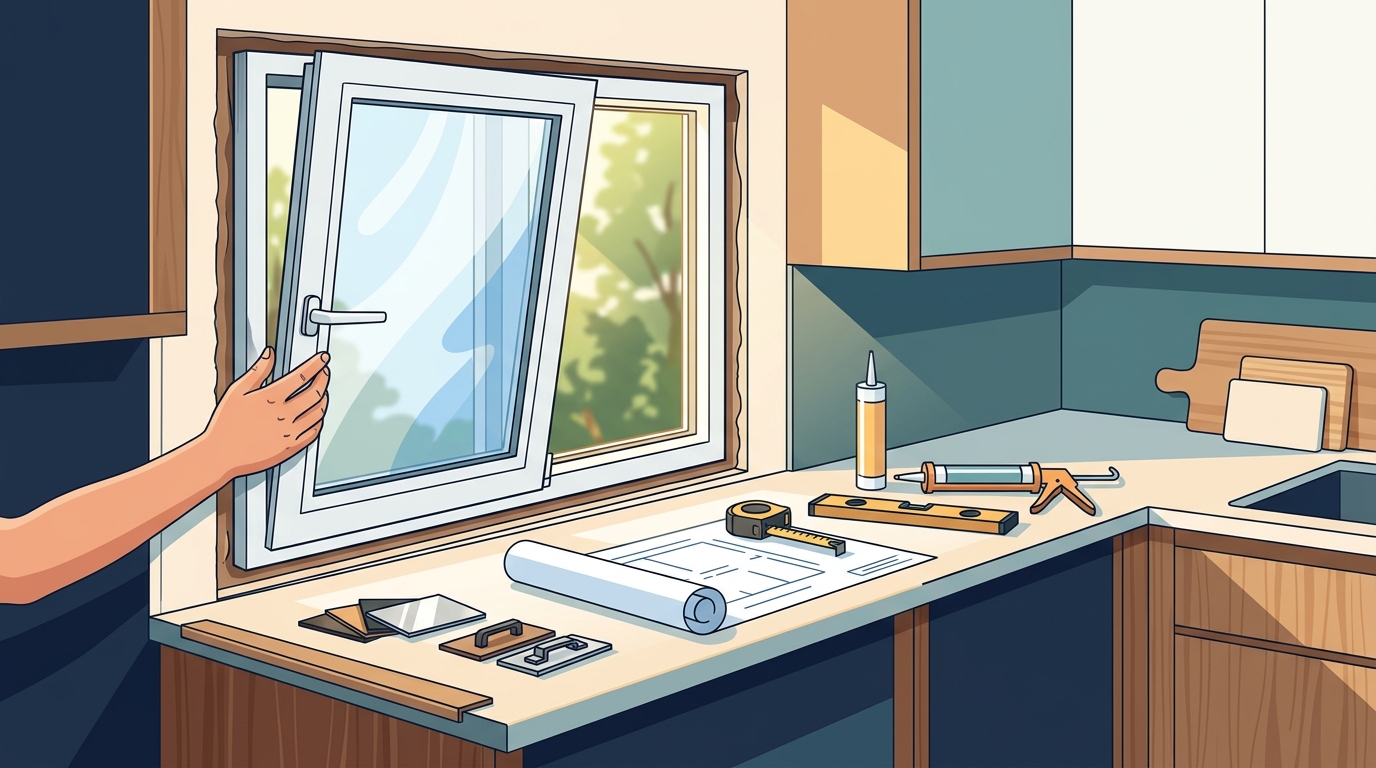
Flashing and Waterproofing are critical steps in the installation process. Flashing directs water away from the window frame and into the exterior wall system. Without proper flashing, water can seep into the wall cavity, leading to mold growth and structural damage. In a kitchen, where water usage is high, this is particularly important for windows above sinks and dishwashers.
Insulation and Sealing are also vital. Gaps around the window frame should be filled with expanding foam or insulation batts to prevent air leakage. The exterior and interior edges should be sealed with high-quality caulk to create a watertight barrier. This prevents drafts and moisture intrusion, ensuring the window performs as intended.
Level and Plumb Installation is essential for the proper operation of the window. If the window is not installed level and plumb, the sashes may not slide or crank correctly, leading to operational issues and premature wear. Professional installers use shims to ensure the window is perfectly aligned within the rough opening.
Comparing Window Options for Your Budget
Selecting the right window involves balancing performance, aesthetics, and cost. The table below provides a comparative overview of common window types and materials to assist in your decision-making process.
| Window Type | Material | Avg. Cost Range | Maintenance Level | Best For |
|---|---|---|---|---|
| Double-Hung | Vinyl | $300 - $600 | Low | Traditional Kitchens |
| Sliding | Aluminum | $250 - $500 | Low | Modern Kitchens |
| Casement | Wood | $400 - $800 | High | High Ventilation Needs |
| Picture | Composite | $350 - $700 | Low | View Maximization |
| Bay/Bow | Vinyl | $1,000 - $2,500 | Low | Spacious Kitchens |
While the initial cost of composite or wood windows may be higher, their longevity and performance often result in a lower total cost of ownership. Vinyl windows offer a budget-friendly option with good performance, making them a popular choice for many homeowners. It is important to consider the long-term value rather than just the upfront cost.
Key Takeaways
- Ventilation is Critical: Choose window types that provide adequate airflow to manage kitchen humidity and odors effectively.
- Energy Efficiency Matters: Opt for Low-E coatings and argon gas fill to reduce energy bills and improve comfort.
- Material Durability: Vinyl and composite materials offer superior moisture resistance compared to wood in kitchen environments.
- Professional Installation: Proper flashing, sealing, and alignment are essential for window longevity and performance.
- Budget Balance: Balance upfront costs with long-term maintenance and energy savings to make the best financial decision.
- Aesthetic Cohesion: Ensure window styles complement the overall kitchen design and architectural style of the home.
- Local Expertise: Work with local contractors who understand regional climate challenges and building codes.
Frequently Asked Questions
What is the best window type for a kitchen above the sink?
Casement or double-hung windows are ideal for kitchens above the sink. Casement windows provide maximum ventilation, while double-hung windows offer easy cleaning and good airflow. Both types help manage steam and odors effectively.
How do I choose between vinyl and wood windows for a kitchen?
Vinyl windows are more affordable and require less maintenance, making them suitable for high-humidity environments. Wood windows offer a classic aesthetic but require regular sealing and painting to prevent moisture damage. Choose vinyl for durability and wood for traditional style.
Are triple-pane windows worth the extra cost for a kitchen?
Triple-pane windows provide superior insulation and sound dampening. They are worth the investment if you live in an extreme climate or a noisy area. For moderate climates, double-pane windows with Low-E coatings may be sufficient.
How often should kitchen windows be replaced?
Windows typically last 15 to 20 years. Signs that replacement is needed include drafts, condensation between panes, difficulty opening or closing, and visible damage. Regular maintenance can extend the lifespan of your windows.
Can I install new windows without replacing the entire kitchen?
Yes, window replacement can be done independently of a full kitchen remodel. However, coordinating the window installation with other renovation tasks can streamline the process and ensure proper sealing and finishing.
What is the role of Low-E coatings in kitchen windows?
Low-E coatings reflect heat and UV rays, protecting kitchen interiors from fading and reducing cooling costs. They are particularly beneficial for windows that receive direct sunlight, helping to maintain a comfortable cooking environment.
How does window placement affect kitchen lighting?
Window placement determines the amount of natural light entering the kitchen. South-facing windows provide the most light, while north-facing windows offer softer, indirect light. Strategic placement can enhance visibility and reduce the need for artificial lighting.
Schedule Your Consultation
Selecting the right windows for your kitchen renovation is a critical decision that impacts both the functionality and value of your home. At DC Home Improvements, we specialize in providing expert window installation services tailored to the unique needs of Central Valley homeowners. Our team of in-house, background-checked remodelers ensures that every installation meets the highest standards of quality and craftsmanship. We offer a range of window options, including vinyl, wood, and composite, to suit your aesthetic and budget. Additionally, we provide financing options to make your renovation more accessible. Contact us today to schedule a free estimate and discover how our window replacement services can transform your kitchen. Experience the difference of working with a trusted remodeling company that values service, respect, and skill.