
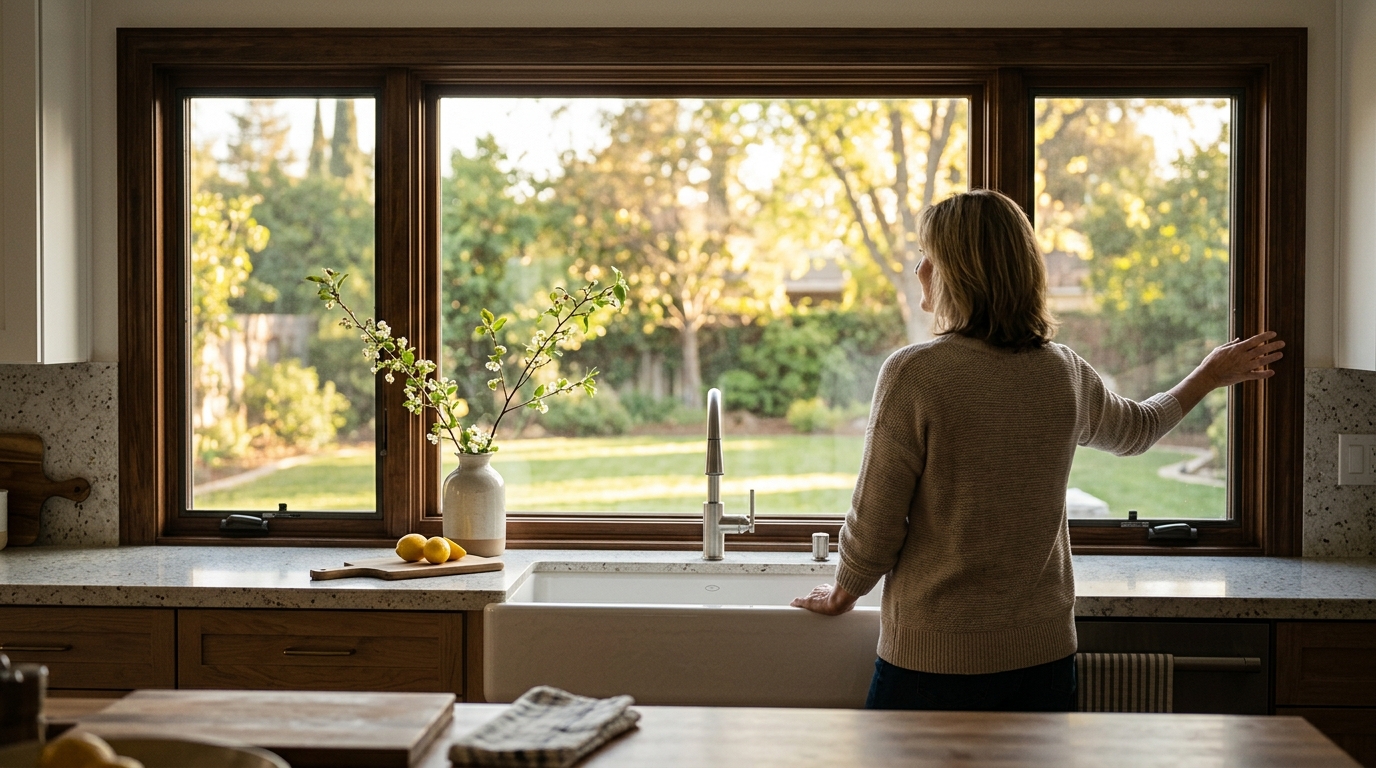
Upgrading your kitchen windows directly impacts home value and daily comfort. According to the U.S. Department of Energy, homeowners save an average of twelve percent on annual heating and cooling costs by installing modern, energy-efficient glazing. This financial benefit compounds over time, especially in regions with extreme seasonal temperature swings. Selecting the correct window style requires balancing natural light requirements, ventilation needs, and long-term maintenance expectations. You must evaluate frame materials, glass coatings, and installation standards before committing to a final purchase. Professional installation ensures proper sealing and prevents costly air leakage. (Fresno Bathrooms Kitchens Windows)
Assess Lighting and Ventilation Needs
Kitchens demand specific airflow and illumination patterns to function safely. A well-ventilated space prevents moisture buildup and reduces cooking odors. Natural ventilation is the process of exchanging indoor air with outdoor air using openable window units. You should prioritize operable styles like double-hung or casement configurations for maximum airflow control. Large fixed panes excel at flooding the workspace with daylight but offer zero cross-ventilation. Balance these requirements by pairing a large stationary unit with a smaller operable neighbor. This hybrid approach maximizes both views and functional airflow without compromising structural integrity.
Window Placement and Sightlines
Positioning matters just as much as the window type itself. Placing a unit directly above the sink provides excellent drainage and convenient hand-washing light. You must measure the rough opening carefully to avoid framing conflicts with upper cabinets. Professional contractors typically recommend leaving at least eighteen inches of clearance between the window sill and countertop. This spacing prevents water damage and allows for proper backsplash installation. Always verify local building codes regarding emergency egress requirements for ground-floor kitchens.
Evaluate Frame Materials and Durability
Frame composition dictates long-term maintenance costs and thermal performance. Vinyl frames dominate the market due to their exceptional moisture resistance and low upkeep requirements. Thermal break technology is a manufacturing process that inserts an insulating barrier between interior and exterior metal frames to prevent heat transfer. Aluminum frames offer sleek modern profiles but require thermal breaks to match vinyl insulation standards. Wood frames provide unmatched aesthetic warmth but demand regular staining and sealing to prevent rot. Composite materials blend fiberglass strength with wood grain textures for a premium finish. Choose materials that align with your regional climate and maintenance tolerance.
Weather Resistance and Regional Factors
Central Valley climates experience intense summer heat and mild winter rainfall. Your chosen frame must withstand UV exposure without warping or fading. Vinyl and composite options naturally resist moisture absorption and insect damage. Metal frames require specialized factory-applied finishes to prevent corrosion. Always request manufacturer specifications regarding thermal expansion rates. Proper material selection prevents costly replacements and maintains your kitchen aesthetic for decades.
Compare Glass Technologies and Coatings
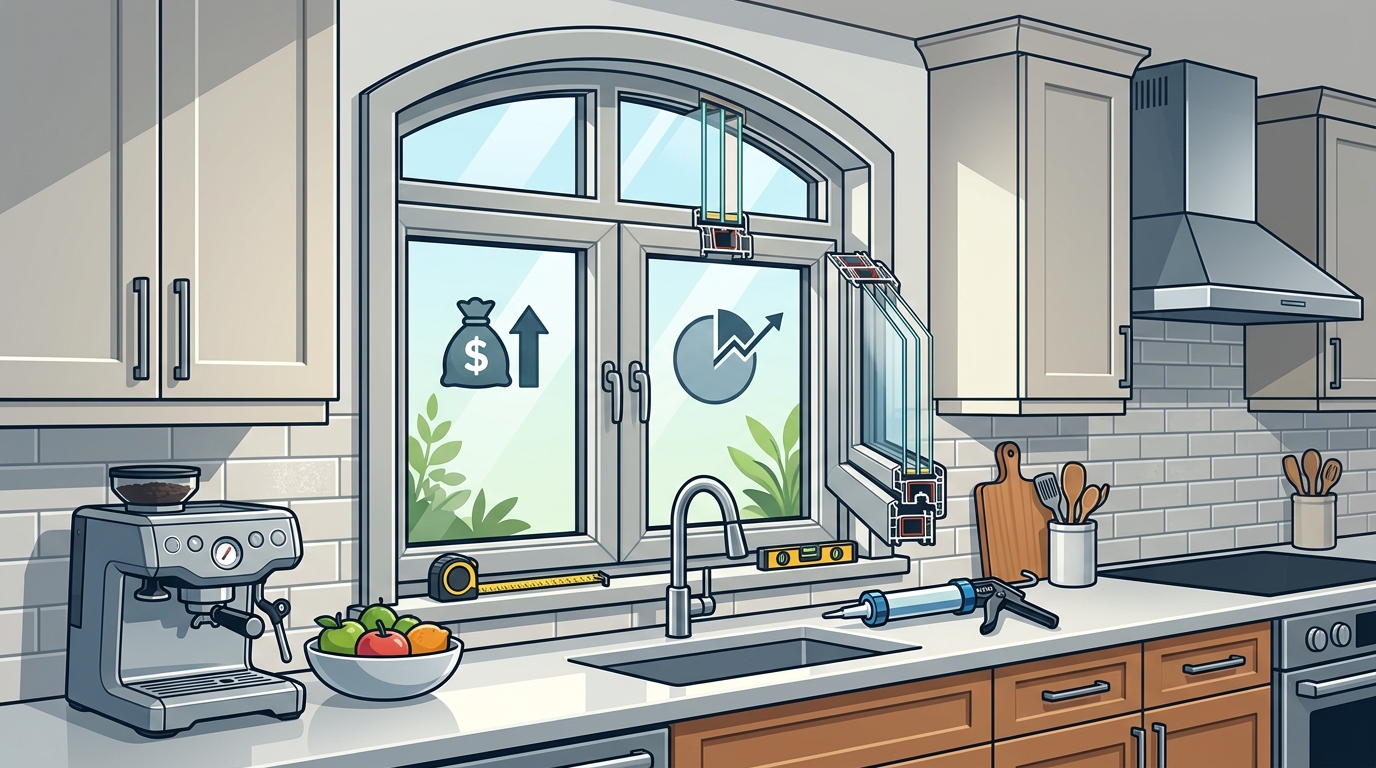
Modern glazing systems drastically improve energy efficiency and noise reduction. Double-pane glass remains the standard for residential kitchen upgrades. Triple-pane configurations add an extra layer of insulation for extreme climate zones. Low-emissivity coating is a microscopic metallic layer applied to glass that reflects infrared heat while allowing visible light to pass through. This coating keeps summer heat outside and winter warmth inside your kitchen space. Argon gas fills the sealed cavity between panes to further reduce conductive heat loss. You should verify the National Fenestration Rating Council rating before purchasing. Higher ratings directly correlate with long-term utility savings and improved comfort levels.
UV Protection and Fading Prevention
Kitchens contain valuable items like wooden cabinets, stone countertops, and fabric appliances. Direct sunlight accelerates material degradation and causes irreversible color fading. Selecting glass with ultraviolet filtration protects your renovation investment. Most modern units block over ninety percent of harmful UV rays. This protection extends the lifespan of your countertops and cabinetry. Always request specific UV transmission percentages from your window supplier.
Match Window Style to Kitchen Design
Architectural style dictates the most appropriate window configuration for your space. Traditional kitchens often feature divided-light grids that mimic historic muntin patterns. Modern designs favor clean, unobstructed sightlines with minimal framing. Grid placement is the decorative or functional bar system installed between glass panes to create a divided-light appearance. You can choose between true divided lights, which use actual muntins, and simulated grids that attach to the interior surface. Simulated grids offer easier cleaning and lower manufacturing costs. Match your window style to your overall renovation theme for cohesive visual appeal. Consult your interior designer to align window aesthetics with your chosen cabinetry and flooring.
Custom Shapes and Architectural Features
Unique architectural layouts sometimes require custom-shaped units. Arched, circular, or trapezoidal windows add character to farmhouse or craftsman kitchens. Custom fabrication increases lead times and upfront costs. Standard rectangular units remain the most cost-effective and widely available option. Prioritize standard sizes when working within a tight renovation budget. Custom shapes should only be selected when they serve a specific architectural purpose. Always verify manufacturing tolerances before finalizing custom orders.
Verify Installation Standards and Warranties
Proper installation determines whether your window performs as advertised. DIY replacements frequently result in air leaks, water intrusion, and voided manufacturer warranties. Professional installers follow strict flashing and sealing protocols to prevent structural damage. Full-frame replacement is a comprehensive installation method that removes the existing window down to the rough opening and installs a brand-new unit. This method ensures optimal insulation and eliminates rotting subframes. Pocket installations slide new units into existing frames and work best when the current structure remains sound. Always verify that your contractor carries comprehensive liability insurance and workers compensation coverage. Request detailed warranty documentation covering both materials and labor. Reputable companies typically offer lifetime transferable warranties on premium products.
Quality Assurance and Inspection Protocols
Post-installation inspections prevent minor issues from becoming major repairs. Contractors should perform water spray tests to verify flashing integrity. You must check for smooth operation, proper latch engagement, and even glass spacing. Document any visible defects before signing off on the project. Reputable remodeling firms maintain strict quality control checklists. These protocols protect your investment and ensure long-term performance. Never skip the final walkthrough inspection under bright daylight conditions.
Understand Financing and Budget Planning
Kitchen window replacements require careful financial planning to avoid budget overruns. Material costs vary significantly based on size, style, and glass specifications. Installation labor typically accounts for thirty to forty percent of the total project expense. Deferred financing is a payment structure that allows homeowners to delay principal payments and interest accrual for a specified promotional period. Many reputable contractors offer zero-percent financing for fifteen months to qualified buyers. This structure preserves cash flow while completing your renovation on schedule. You should obtain multiple detailed quotes to compare material grades and labor scopes. Always verify financing terms with your lender before signing any agreements. Transparent pricing prevents unexpected change orders during the construction phase.
Long-Term Value and Resale Impact
Updated windows consistently rank among the highest returning home improvement projects. Buyers expect modern, energy-efficient glazing when evaluating kitchen spaces. Properly installed units enhance curb appeal and streamline the sales process. You should document all installation warranties and maintenance records for future buyers. These documents provide verifiable proof of your renovation quality. Professional upgrades directly increase your property appraisal value. Always prioritize quality materials over temporary cost savings.
Window Type Comparison Matrix
| Window Style | Primary Function | Best Kitchen Application | Estimated Lifespan | Service Details |
|---|---|---|---|---|
| Double-Hung | Vertical ventilation and easy cleaning | Above sink or prep stations | 20 to 30 years | Window Replacement |
| Casement | Maximum airflow and unobstructed views | Island-facing or dining areas | 25 to 40 years | Kitchen Remodeling |
| Fixed Picture | Maximum daylight and exterior visibility | Above countertops or cabinets | 30 to 50 years | About Us |
| Sliding | Space-saving horizontal operation | Narrow wall spaces or patios | 15 to 25 years | Financing Options |
Key Takeaways
- Modern energy-efficient glazing reduces annual heating and cooling expenses by approximately twelve percent.
- Vinyl and composite frames provide superior moisture resistance for humid kitchen environments.
- Low-emissivity coatings block ultraviolet radiation while maintaining optimal visible light transmission.
- Professional full-frame replacement eliminates subframe rot and ensures proper thermal sealing.
- Zero-percent financing for fifteen months preserves renovation cash flow without interest penalties.
- Reputable Central Valley contractors have delivered thousands of successful projects since 2006.
- Comprehensive warranties covering both materials and labor protect your long-term investment.
Frequently Asked Questions
How much does kitchen window replacement cost?
Replacement costs vary based on size, style, and glass specifications. Standard units typically range from two hundred to eight hundred dollars per window. Professional installation adds labor and material expenses to the final invoice. You should request detailed quotes from licensed contractors to compare exact pricing.
Can I replace kitchen windows without removing cabinets?
Pocket installations allow new units to slide directly into existing frames. This method preserves surrounding cabinetry and backsplash materials. Full-frame replacements require removing trim and potentially adjusting adjacent structures. Your contractor will recommend the optimal approach based on your current framing condition.
What is the best window style for above a kitchen sink?
Double-hung and casement configurations provide excellent ventilation and convenient hand-washing light. You should prioritize operable styles to manage moisture and cooking odors effectively. Large fixed panes maximize daylight but offer zero cross-ventilation. Hybrid arrangements balance both functional requirements perfectly.
Do modern windows require regular maintenance?
Modern vinyl and composite units require minimal upkeep beyond routine cleaning. You should wipe frames with mild soap and water to remove cooking residues. Lubricate moving hardware annually to ensure smooth operation. Always follow manufacturer guidelines to preserve your warranty coverage.
How long does professional window installation take?
Standard kitchen projects typically require one to three days to complete. Complex custom shapes or full-frame replacements may extend the timeline slightly. Professional crews follow strict safety and sealing protocols to prevent structural damage. You should expect minimal disruption to your daily kitchen routine.
Are tax credits available for energy-efficient kitchen windows?
Federal and state incentives frequently reward high-performance glazing upgrades. You must verify current eligibility requirements with your local tax advisor. Qualified units often qualify for immediate utility rebates or long-term tax deductions. Always retain installation documentation to support your future claims.
What warranty coverage should I expect from a remodeling company?
Reputable contractors provide comprehensive warranties covering both materials and labor. Lifetime transferable warranties protect your investment if you sell the property. You should verify coverage details before signing any installation agreements. Always request written documentation outlining specific warranty terms and exclusions.
Schedule Your Kitchen Window Upgrade
Upgrading your kitchen windows requires professional expertise and precise installation standards. DC Home Improvements delivers exceptional craftsmanship across Fresno, Clovis, Visalia, Sanger, and Madera. Our in-house remodelers follow strict quality protocols to ensure lasting performance. You can explore our complete Window Replacement services or browse our latest project gallery. Contact our team today to schedule a complimentary consultation and receive your custom pricing. Visit https://delerioconstruction.com/ to begin your renovation journey.